


What Is Talent Development? A Guide for HR Leaders | Career Bird
By · 1 min read
What is talent development?
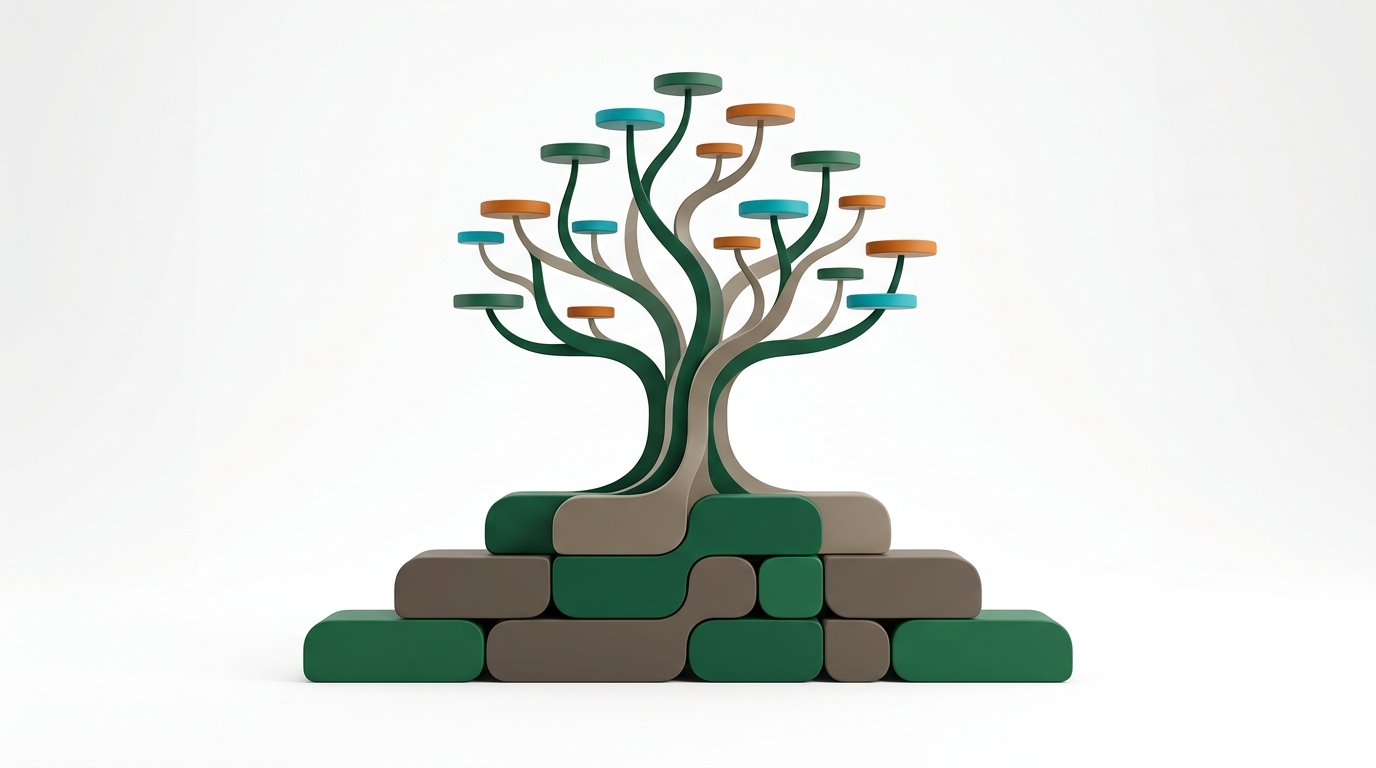
Talent development is the practice of building employee capability, growing skills, and enabling career progression over time. It is the set of programs, tools, and conversations an organization uses to help people grow into bigger roles and stronger contributors.
Done well, talent development turns a workforce into a competitive asset. People gain the skills the business needs next, see a future for themselves inside the organization, and stay longer because of it. The function spans job design, skills assessment, learning, and career pathing, and it works best when those pieces connect.
The stakes are clear in the data. A 2024 LinkedIn Workplace Learning Report found that career growth opportunities rank among the top reasons people stay with an employer, and that lack of growth is a leading reason they leave. Talent development is how an organization makes that growth real and visible.
How is talent development different from performance management?
These two functions get blurred often, and the distinction matters to anyone who runs them.
Talent development builds capability. It focuses on growing skills, expanding what people can do, and creating paths for them to advance. The outputs are learning plans, skill assessments, career path options, and development conversations between managers and their people.
Performance management evaluates outcomes. It sets goals, measures results against those goals, runs reviews, assigns ratings, and addresses underperformance through structured plans. The outputs are goal records, performance reviews, and ratings.
A simple way to hold the line: performance management measures how someone is doing in their current role. Talent development prepares them for what comes next. Goals, ratings, and reviews belong to performance management. Skill growth and career progression belong to talent development. The two work alongside each other, but they answer different questions.
How is talent development different from learning and development (L&D)?
Learning and development is one component of talent development, not a synonym for it.
L&D covers the training itself: courses, workshops, certifications, and content that teaches new skills. It answers the question of how someone closes a specific gap.
Talent development is the broader practice that decides which gaps to close, for whom, and toward what career outcome. Learning is the engine. Talent development is the system that points the engine at the right destination. A course catalog with no connection to roles, skills, or career paths produces activity without direction. That gap is why so many learning programs see low engagement: employees do not see how a course maps to their next move.
How does talent development relate to talent management?
Talent management is the umbrella. It covers the full employee lifecycle: talent acquisition, performance management, compensation, succession planning, and development.
Talent development is the growth and capability-building piece inside that umbrella. It is one of several functions a talent management strategy coordinates, and it is the function most directly responsible for retention and internal mobility. When an HR leader talks about helping people grow and advance, they are talking about talent development specifically, even if it sits inside a wider talent management mandate.
What are the components of talent development?
Effective talent development rests on four connected layers. They work in sequence, and the order matters.
Job architecture is the foundation. Job architecture defines what every role requires: the levels, families, responsibilities, and skills that make up each job across the organization. Without it, there is no shared definition of what good looks like in any role, which means there is nothing to develop people toward. A clear job architecture turns vague titles into structured, comparable roles. To go deeper on this layer, see our guide to job architecture and why it anchors talent development.
Skills intelligence shows what people have and lack. Once roles are defined by the skills they require, you can assess the skills your people actually hold. The difference between the two is the gap. Skills intelligence makes that gap visible across teams and the whole organization, so workforce decisions rest on data rather than assumption. The discipline of measuring this gap is its own practice, covered in our skills gap analysis guide.
Learning closes the gap. With gaps identified, learning gets targeted. Instead of a generic course catalog, employees receive learning plans tied to the specific skills they need for their current role or their next one. Relevance drives engagement.
Career pathing shows where people can go. When roles, skills, and learning connect, employees can see the paths open to them, the skills each path requires, and how to bridge the distance. Visible paths give people a reason to grow inside the organization rather than leave to find growth elsewhere. Our career pathing guide covers how to make those paths explorable.
The layers reinforce each other. Job architecture feeds skills intelligence, skills intelligence informs learning, and learning opens career paths. Run them in isolation and you get fragmented effort. Connect them and you get a system.
Why does talent development matter for retention?
People leave when they cannot see a future where they are. They stay when growth is visible and within reach.
The financial case is direct. For a 1,000-person organization, a one-point improvement in retention can translate to roughly one million dollars in avoided replacement and ramp costs. Talent development is one of the most reliable levers for moving that number, because it addresses the reason people most often cite for leaving: the absence of growth opportunity.
There is a capability case as well. A 2024 McKinsey analysis on workforce skills found that the large majority of organizations either face skill gaps today or expect to within a few years. Building skills internally through talent development is faster and more cost-effective than hiring for every emerging need from the outside.
How do you measure talent development?
Measurement separates a talent development strategy from a collection of disconnected programs. The metrics that matter most:
- Internal mobility rate. The share of roles filled by internal candidates. A rising rate signals that career paths are working.
- Skill gap closure. The reduction in priority skill gaps over time, measured against your job architecture.
- Voluntary retention, especially of high performers. Development programs should show up as lower regretted attrition.
- Learning relevance and completion. Whether employees engage with learning tied to their roles and paths, not just whether courses exist.
- Time to proficiency. How quickly people reach full capability in a role, which development should shorten.
Tie these back to business outcomes for the C-suite. Retention dollars saved, roles filled internally, and gaps closed are the numbers that demonstrate talent development as a strategic function rather than an administrative one. For a structured approach to setting this up, see our talent development strategy guide.
How Career Bird supports skills-first talent development
Most mid-market organizations run these four layers in separate tools and spreadsheets that do not talk to each other. Job descriptions live in shared drives, skills sit in survey exports, learning runs through a standalone LMS, and career paths exist only in a manager's head.
Career Bird connects all four in a single, living system. It starts with AI-assisted job architecture so roles, levels, and required skills are defined and consistent. From there, skills intelligence shows where capability gaps exist, learning plans target those gaps, and career pathing gives employees a clear view of where they can go and how to get there. With per-seat pricing and integrations across 150-plus HRIS platforms, mid-market HR teams get a connected talent development infrastructure without an enterprise budget or a six-month implementation.
Frequently asked questions
What is talent development in simple terms?
Talent development is how an organization helps employees build skills, grow their capability, and advance their careers over time. It includes job design, skills assessment, learning, and career pathing working together.
Is talent development the same as performance management?
No. Talent development builds capability and grows skills for future roles. Performance management sets goals, evaluates results, and rates how someone is doing in their current role. They are complementary functions that answer different questions.
Is learning and development part of talent development?
Yes. Learning and development is one component of talent development. L&D delivers the training that closes skill gaps. Talent development is the broader system that decides which gaps to close and toward what career outcome.
What is the difference between talent development and talent management?
Talent management is the umbrella covering the full employee lifecycle, including acquisition, performance, compensation, and succession. Talent development is the growth and capability-building piece inside that umbrella.
Why is talent development important?
Talent development drives retention and builds the skills a business needs next. People stay when they can see a path to grow, and building skills internally is faster and more cost-effective than hiring for every new need externally.
What are the four components of talent development?
Job architecture (what roles require), skills intelligence (what people have and lack), learning (what closes the gap), and career pathing (where people can go). They work best when connected, with job architecture as the foundation.